


Hibiscus: A Beautiful Flower With a Lot More to Offer
There are some ingredients that immediately remind us that food and wellness have always been connected.
Hibiscus is one of them.
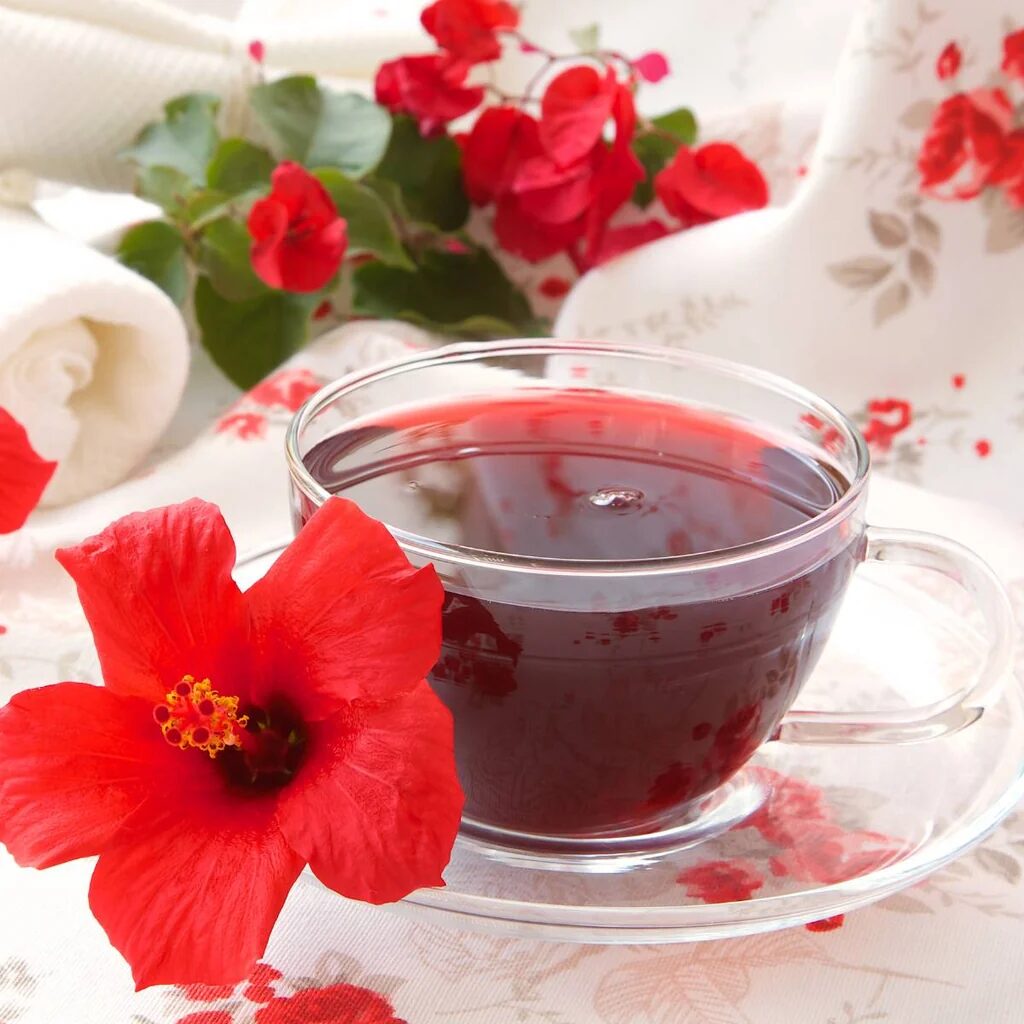
That deep ruby-red color and tart, almost cranberry-like flavor may be familiar in a glass of tea, but hibiscus has been enjoyed across cultures for generations. Depending on where you are in the world, you may know it as sorrel, bissap, zobo, karkade, agua de Jamaica, or sour tea. The names may change, but they often point back to the same plant: Hibiscus sabdariffa.¹
Beyond being beautiful and refreshing, hibiscus contains plant compounds researchers are studying for their potential effects on cardiovascular and metabolic health.
What Exactly Is Hibiscus Tea?
Hibiscus tea is generally made from the dried calyces of Hibiscus sabdariffa—the fleshy red structures surrounding the flower. Hibiscus can be used fresh or dried in teas, syrups, sauces, jams, and other foods.² Hibiscus tea is also naturally caffeine-free.²
But that gorgeous red color isn’t just there for looks.
It’s Rich in Antioxidants
Hibiscus contains anthocyanins, plant pigments responsible for its vibrant red-purple color.² Anthocyanins and other antioxidants help protect cells from oxidative damage caused by free radicals. Hibiscus also contains vitamin C and other phytochemicals that may contribute to its potential health effects.²
This is one of the things I love about colorful foods: sometimes the color itself gives us a clue about the plant compounds hiding inside.
Hibiscus May Support Heart Health
One of the most researched potential benefits of hibiscus is its effect on blood pressure.
Research suggests hibiscus may help reduce systolic and diastolic blood pressure in some people.³ Researchers have also studied its potential effects on cholesterol and triglycerides, although those findings have been less consistent.²˒³
That doesn’t make hibiscus a replacement for medication. Instead, it is an interesting example of how a traditional beverage may fit into an overall heart-supportive eating pattern.
People taking blood-pressure medications should talk with their healthcare provider before regularly consuming hibiscus because of the potential for interactions.²
What About Metabolic Health?
Hibiscus has also been studied in relation to blood glucose, cholesterol, triglycerides, insulin sensitivity, and body weight.²˒³
A review examining 68 studies—including 18 involving human participants—found promising effects on several biomarkers associated with metabolic syndrome. However, researchers emphasized the need for larger and more diverse human clinical trials.²
You may also see claims online that hibiscus promotes weight loss, improves liver health, fights bacteria, or even prevents cancer. While early research in some of these areas is interesting, much of it comes from animal studies, laboratory research, small human studies, or concentrated hibiscus extracts.¹˒²
In other words: promising research doesn’t make hibiscus a miracle food.
Culture Knew Hibiscus Before Wellness Trends Did
What fascinates me most about hibiscus isn’t that modern wellness culture discovered its antioxidants.
It’s that communities around the world were already drinking it.
Bissap in Senegal. Zobo in Nigeria. Sorrel throughout the Caribbean. Agua de Jamaica in Mexico. Karkade in parts of North Africa and the Middle East.
Different preparations. Different traditions. Same beautiful plant.
That is exactly the kind of story I want Nourishing the Culture™ to tell.
Sometimes nutrition science doesn’t introduce us to a new food—it simply gives us another language for understanding something communities have valued for generations.
Make It Your Own
For a simple hibiscus tea, steep dried hibiscus in boiling water for approximately 5–7 minutes, then strain.²
From there, make it yours. Add ginger, citrus, cinnamon, or cloves. Serve it warm or pour it over ice. You can also use brewed hibiscus in sparkling water, sauces, syrups, and other recipes.
A Quick Word of Caution
Natural doesn’t automatically mean appropriate for everyone.
Hibiscus may interact with medications, including those used for blood pressure or diabetes.² Hibiscus also hasn’t been well established as safe during pregnancy, so pregnant individuals should discuss its use with their healthcare provider.²
The Bottom Line
Hibiscus is colorful, refreshing, culturally significant, and full of interesting plant compounds. Research suggests potential benefits—particularly for blood pressure and metabolic health—while many other health claims still require stronger human evidence.¹⁻³
And maybe that’s what makes hibiscus so interesting: it brings us right back to the intersection of culture, food, tradition, and science.
References
- Ajmera R. 8 Benefits of Hibiscus Tea. 2017. Accessed August 8, 2026. https://www.healthline.com/nutrition/hibiscus-tea-benefits
- Jeffery TD, Richardson ML. A review of the effectiveness of hibiscus for treatment of metabolic syndrome. Journal of Ethnopharmacology2021;270:113762. doi:10.1016/j.jep.2020.113762
- Ellis LR, Zulfiqar S, Holmes M, Marshall L, Dye L, Boesch C. A systematic review and meta-analysis of the effects of Hibiscus sabdariffa on blood pressure and cardiometabolic markers. Nutrition Reviews2021;80(6):nuab104. doi:10.1093/nutrit/nuab104
Leave a Reply


